
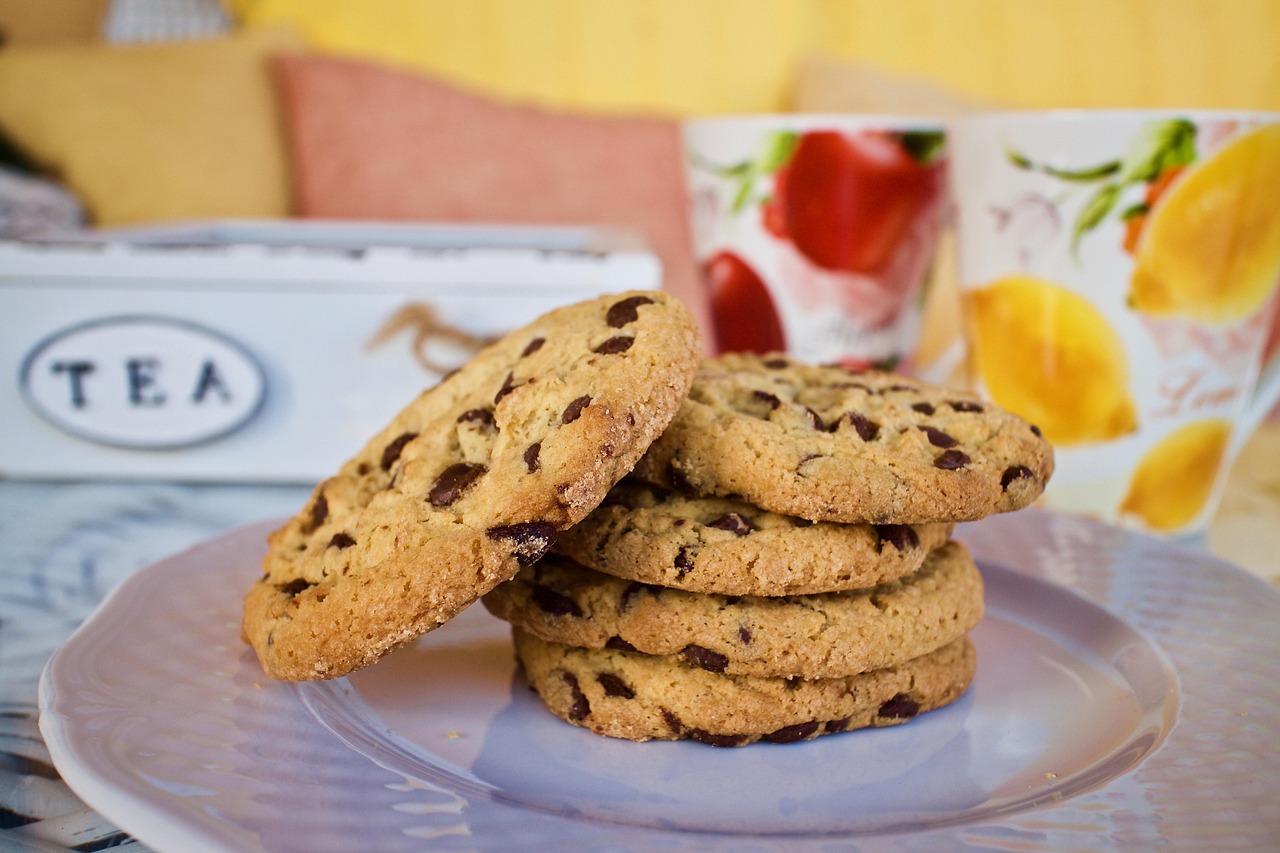
You can find gluten-free snacks like chips, cookies, crackers, protein bars, cereals, and more in any supermarket today. What used to be a small market for people with celiac disease or gluten sensitivity is now a huge business.
But when something gets popular, it can be hard to understand. Are these snacks really better for you? Are the claims on the packaging true? And which common brands can you really trust?
Whether you’re gluten-free for medical reasons or simply exploring healthier snack options, this guide breaks down everything you need to know about gluten-free snacking, including ingredients, health benefits, myths, and smart shopping tips.
Contents
Do Gluten-Free Snacks Have Health Benefits?
People often think that gluten-free means healthier, which is one of the biggest mistakes they make. What is the truth? It all depends.
These are the real health benefits of gluten-free snacks, as well as the things you should know about them.
1. Benefits for People With Gluten Intolerance
If you have celiac disease or are sensitive to gluten, you have to eat gluten-free.
Choosing snacks that don’t contain gluten can help reduce swelling, improve digestion, relieve headaches and fatigue, support gut health, and help prevent serious problems in the long run.
These people need gluten-free snacks, not just want them.
2. Less Inflammation for Sensitive Individuals
Some people get inflammation or stomach problems after eating gluten, even if they don’t have a medical reason for it. Snacks that don’t contain gluten might make them feel lighter, less bloated, and more energetic.
3. Cleaner Ingredient Profiles
Many gluten-free snack brands use whole, naturally gluten-free ingredients like:
- Rice flour
- Almond flour
- Chickpeas
- Seeds
- Quinoa
- Sweet potatoes
This often results in snacks that feel cleaner and less processed compared to some traditional alternatives.
4. May Be Lower in Allergens
Some gluten-free snack brands also skip common allergens like:
- Dairy
- Soy
- Eggs
This makes them a convenient choice for people with multiple sensitivities.
But Are Gluten-Free Snacks Always Healthier?
Not always. This is where people often get confused.
Many gluten-free snacks contain extra sugars, oils, or starches to improve their taste. Some products have more calories than their gluten-free versions. Some claims on packaging make the food look healthier than it really is.
So, gluten-free snacks are important for people who can’t eat gluten, but they aren’t always the best choice for everyone else.
Understanding Packaging Claims on Gluten-Free Snacks
The packaging of a gluten-free snack might make it look good. It might say things like “all-natural,” “clean,” “non-GMO,” “healthy alternative,” “whole grain,” and of course, “gluten-free.”
But what do these words really mean?
This is what you should look for to avoid falling for false advertising.
1. “Gluten-Free” Label
In many countries, this label means the product contains less than 20 parts per million (ppm) of gluten, which is safe for most people with celiac disease.
But the word doesn’t always mean low-calorie, Low sugar, High fiber, and Clean ingredients.
It just means the product doesn’t contain gluten.
2. Certification Logo
A logo from an official group shows that a product is gluten-free. This ensures that testing is very strict and much safer than just saying “gluten-free.”
3. Ingredient Lists
A product may be gluten-free but still contain Palm oil, White rice flour, Cornstarch, Excess sugar, and Artificial flavors.
Always check the ingredient list for real, whole-food components.
4. Health Buzzwords
Just because a food is labeled “natural,” “organic,” or “multigrain” doesn’t mean it’s good for you. Some gluten-free “multigrain” snacks may still use refined flours.
5. “Made in a Facility With Wheat” Warning
This warning means that there may be cross-contamination, which is dangerous for people with celiac disease, even if the product says it is gluten-free.
If you know what the packaging claims, you can pick healthy, gluten-free snacks.
Types of Gluten-Free Snacks You Can Enjoy
Whether you’re craving salty, crunchy, sweet, or high-protein snacks, gluten-free options are everywhere:
Crunchy Snacks
- Rice crackers
- Lentil chips
- Chickpea puffs
- Veggie chips
Sweet Snacks
- Gluten-free cookies
- Dark chocolate
- Granola bars
Healthy On-the-Go Snacks
Protein Snacks
- Nuts & seeds
- Greek yogurt
- Gluten-free granola
- Fresh fruit
- Jerky (gluten-free certified)
- Protein bars
- Roasted chickpeas
Homemade Snacks
- Gluten-free banana muffins
- Smoothie bowls
- Roasted sweet potatoes
FAQs
1. Are snacks that don't have gluten in them better for you than regular snacks?
Not all the time. People who can’t eat gluten should eat gluten-free snacks, but some may still be high in sugar, starch, or oil. Check the nutrition and ingredient labels every time.
2. What should I look for in gluten-free snacks?
Pick snacks that are made with whole foods, have a certified gluten-free label, and have few extra ingredients. Stay away from foods that have too much sugar or refined starches.
3. What brands have good gluten-free snacks?
Some trusted and common brands are KIND, Simple Mills, Enjoy Life, Bob’s Red Mill, and Hippeas.
4. Do all gluten-free snacks have clear labels?
Not all the time. Some products may claim to be gluten-free even if they don’t have a certification. For safety, always look at the label, the ingredients, and the information about where the product was made.
Wrapping It Up
For people who can’t eat gluten, gluten-free snacks can be a lifesaver because they are easy to find, taste good, and make you feel better. But as more people buy these products, there are also more that have false claims on their packaging, extra fillers, and added sugars.
The most important thing is to choose your snacks carefully. Look for snacks with clean ingredients, common brands, and learn about the real health benefits of gluten-free options.
.

Hi, I’m Anastasia Wood from Vacaville, CA. I was always focused on my studies and loved drawing in school. In college, I discovered my passion for blogging. Recently, I became interested in learning more about gluten and which products contain it after hearing from my doctor friends about its effects on health.